
In appearance-driven industries including retail beauty, event styling, and digital content production, eye enhancement products are positioned as precision tools rather than novelty accessories. Selection decisions are influenced by visual consistency, lighting conditions, and compatibility with makeup styling. Products like blue contact lenses are often integrated into curated looks where contrast and clarity are required, particularly in controlled photography or on-screen environments where colour definition must remain stable across frames.
Similarly, tonal adjustments through green contact lenses are commonly applied where subtle differentiation is preferred over high contrast. This approach supports styling frameworks that prioritise natural blending while still delivering a noticeable shift in eye appearance. Both options serve distinct roles in visual planning, allowing professionals to align eye colour with wardrobe palettes, brand aesthetics, or character-driven requirements without introducing inconsistency.
Grey contact lenses are often selected where a balanced, neutral eye enhancement is required, offering a controlled shift in tone without overpowering surrounding styling elements. In structured visual environments, grey contact lenses support consistency across varied lighting conditions, making them suitable for both editorial and commercial applications where subtle refinement is prioritised.
From an operational perspective, product selection is typically aligned with use-case requirements. High-resolution imaging environments demand colour stability under varied lighting temperatures, meaning lens pigmentation and pattern design must be consistent under both warm and cool light sources. In retail or e-commerce settings, this translates into product categorisation based on finish intensity, translucency, and edge definition rather than broad colour labels alone.
Inventory structuring within this niche also reflects these considerations. Product ranges are often segmented by effect level, allowing businesses to present clear differentiation between enhancement styles. This supports both conversion optimisation and user experience by reducing ambiguity during selection. For example, lenses designed for high-impact transformation are separated from those intended for everyday enhancement, ensuring that customers can match their requirements efficiently.
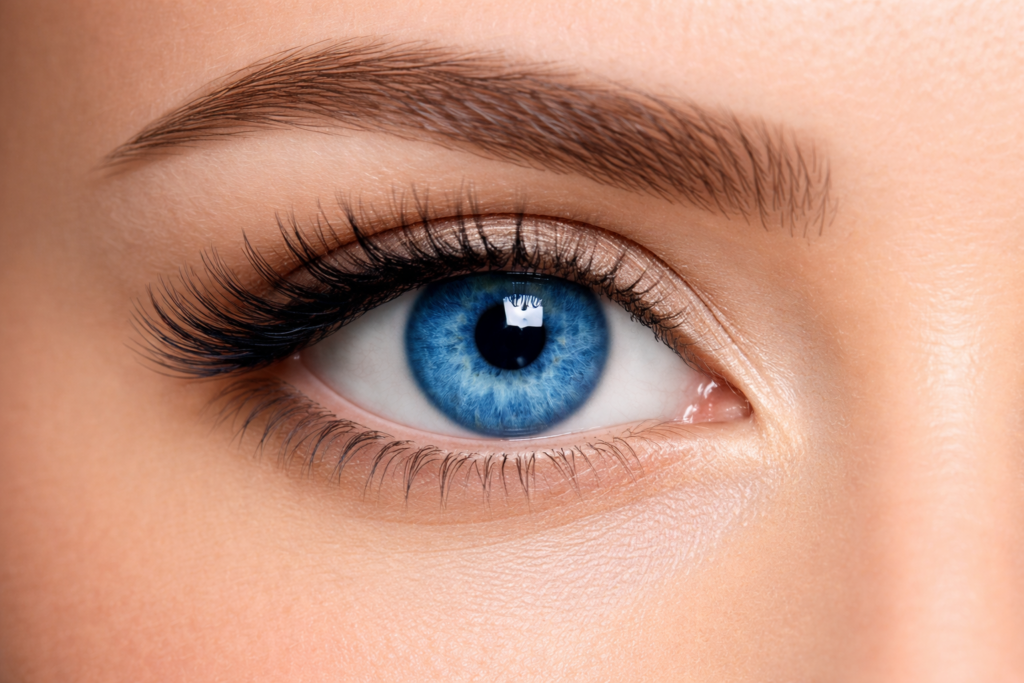
In content-driven environments, visual assets play a critical role in communicating these distinctions. Product imagery must demonstrate real-world outcomes rather than exaggerated representations. This includes consistent lighting, accurate colour grading, and minimal post-processing distortion. Clear imagery supports trust while also reducing return rates, particularly for online purchases where physical inspection is not possible.
From a technical standpoint, lens construction and material quality directly influence usability and performance. Breathability, moisture retention, and fit consistency are key factors that impact wear duration and comfort. These elements are especially relevant in professional contexts where extended wear may be required during events, shoots, or performances. Ensuring compatibility with these demands supports both user satisfaction and product reliability.
Distribution strategies within this niche often prioritise clarity over volume. Rather than offering excessive variations, curated ranges with defined use cases tend to perform more effectively. This approach simplifies decision-making while reinforcing product positioning. Clear descriptions, structured categories, and aligned imagery collectively contribute to stronger engagement and conversion outcomes.
Search visibility within this segment is driven by intent-based queries rather than broad discovery terms. Users typically search with a specific outcome in mind, whether it is enhancing eye colour for an event, achieving a particular aesthetic, or aligning with a creative brief. Content that reflects these intent signals, while maintaining a neutral and informative tone, supports stronger organic performance and provides natural opportunities for contextual link placement.
In addition, cross-category alignment strengthens positioning within the broader beauty and styling ecosystem. Eye enhancement products are frequently paired with cosmetics, accessories, and wardrobe elements to deliver cohesive outcomes. Structuring content to reflect these relationships allows for more natural integration of internal links and improves overall site architecture.
Consistency across product presentation, content structure, and technical performance ultimately determines how effectively these products perform within competitive search environments. By aligning product attributes with clear use cases and maintaining accurate visual representation, businesses can support both user confidence and search relevance without relying on excessive keyword repetition or unsupported claims.
This positioning allows for smoother integration into broader styling frameworks, particularly where colour harmony and tonal control influence the overall presentation. By focusing on adaptable visual outcomes rather than dramatic transformation, lens selection can support consistent results across both digital and in-person settings.