
The renewed demand for camera film across the commercial and creative sectors reflects a deliberate shift toward process-driven image-making. Production teams, independent photographers, and specialist retailers are integrating analogue formats into structured workflows where material choice, exposure control, and finishing standards are tightly managed. Rather than operating as a novelty, film-based capture now sits within a professional supply chain that includes lab partnerships, calibrated scanning, and archiving protocols aligned with commercial output requirements.
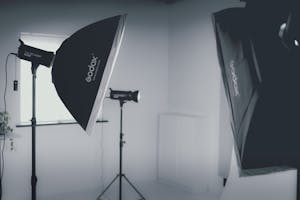
In controlled environments, a studio lighting kit remains central to achieving consistent exposure and tonal separation, particularly when working with slower emulsions or medium-format systems. Accurate light measurement, modifier selection, and power consistency reduce variability across frames, protecting both production schedules and client deliverables. When engineered lighting systems support analogue capture, results are repeatable and commercially viable across fashion, portraiture, product, and editorial assignments.
The contemporary analogue niche operates within a defined ecosystem. Retailers serving this market are expected to offer more than just stock availability. They must offer format guidance, processing coordination, and compatibility advice covering lenses, bodies, metering tools, and archival storage. For commercial users, procurement decisions are influenced by reliability, turnaround times, and integration with digital post-production pipelines. Suppliers who understand these operational requirements position themselves as long-term partners rather than transactional vendors.
Material selection is a strategic decision. Colour negative, black-and-white, and slide stocks each deliver distinct contrast curves, grain structures, and dynamic ranges. In a commercial setting, these attributes affect how an image translates across print, display advertising, and digital publications. Teams managing brand campaigns often pre-test emulsions under controlled conditions to align output with established visual guidelines. Consistency across shoots is not achieved solely through aesthetics, but through documented exposure practices and processing standards.
Laboratory coordination is equally critical. Professional labs offering calibrated chemistry, temperature control, and high-resolution scanning provide measurable advantages in colour accuracy and detail retention. For agencies operating across multiple campaigns, centralised lab relationships reduce inconsistency and simplify file management. The ability to deliver scan profiles tailored for retouching workflows or pre-press preparation supports efficient collaboration between photographers, designers, and production managers.
Inventory planning within this niche requires forward forecasting. Analogue materials are subject to batch production cycles and limited availability. Retailers serving commercial clients often maintain diversified stock across formats, including 35mm, medium format, and sheet options, to mitigate supply risk. Structured pre-order systems and clear lead-time communication protect client schedules and preserve professional credibility. For larger studios, maintaining controlled storage conditions further safeguards the integrity of materials before use.
Lighting infrastructure plays a defining role in operational efficiency. Consistent colour temperature, modifier durability, and adjustable output ranges enable precise calibration for different surfaces and subject types. Product photographers, for example, depend on balanced illumination to maintain texture fidelity across textiles, reflective materials, and packaging finishes. When lighting equipment is engineered for repeat performance, analogue capture becomes less vulnerable to environmental fluctuation and more aligned with commercial expectations.
Hybrid workflows are now standard practice. Many production teams capture on film, process through specialist labs, and integrate high-resolution scans into digital editing suites. This approach combines the tonal depth of analogue systems with the flexibility of contemporary retouching platforms. File management protocols, naming conventions, and archival backups are structured to align with agency requirements, ensuring long-term accessibility for campaign updates or reprints.
Commercial studios also evaluate cost efficiency through a broader lens. While per-frame expenditure is higher than purely digital capture, disciplined planning minimises waste. Detailed shot lists, pre-lighting sessions, and exposure bracketing strategies reduce redundancy. The emphasis shifts from volume to intentional output. For brands seeking distinctive visual language, this deliberate process often justifies the investment through differentiated campaign imagery.
Retail presentation within this segment demands clarity. Detailed product descriptions, compatibility notes, and environmental storage recommendations build buyer confidence. Clear delineation between consumer hobby supplies and professional-grade materials supports accurate purchasing decisions. Online storefronts catering to this niche benefit from structured navigation by format, ISO range, and application type, enabling efficient procurement for time-sensitive projects.
Training and advisory services represent another growth area. Workshops covering metering, development coordination, and lighting calibration reinforce customer retention and elevate the perceived value of specialist suppliers. When retailers contribute to skill development, they strengthen long-term relationships with studios and creative agencies. This consultative approach differentiates them from generalist outlets that focus solely on price competition.
Compliance and safety standards also influence procurement. Proper handling of chemicals, safe disposal protocols, and secure storage guidelines are essential within commercial environments. Suppliers who provide clear documentation regarding material composition and recommended practices support studios in meeting workplace health obligations. Operational transparency reduces risk exposure and builds institutional trust.
The resurgence of analogue capture has also impacted rental markets. Some production houses maintain dedicated film bodies and medium format systems for campaign work. Rental providers supporting this demand must ensure mechanical servicing, light seal integrity, and calibration accuracy. Reliable equipment maintenance directly affects exposure consistency and final image quality, reinforcing the need for specialist oversight.
From a branding perspective, analogue imagery offers a distinct tactile quality that appeals to fashion labels, boutique product lines, and editorial platforms seeking differentiation. Grain texture, subtle highlight roll-off, and organic colour rendition contribute to a recognisable visual identity. When these characteristics are deployed intentionally within structured campaigns, they move beyond nostalgia and become strategic brand assets.
Procurement decisions within this niche are increasingly data-informed. Studios track material performance across projects, noting exposure latitude, grain visibility at various enlargement sizes, and scanning resolution outcomes. This internal benchmarking shapes future purchasing patterns and refines workflow efficiency. Suppliers who can align product recommendations with documented performance metrics provide measurable value.
As the analogue segment continues to stabilise, the commercial ecosystem surrounding it becomes more defined. Structured supply chains, calibrated lighting infrastructure, professional lab coordination, and disciplined inventory management transform film-based capture into a controlled production model rather than an experimental alternative. For retailers, distributors, and service providers operating within this space, relevance is built on reliability, technical clarity, and integration capability.
The professional use of film in Australia now reflects strategic intent rather than trend-driven interest. Studios adopting this medium do so within defined parameters that balance creative distinction with operational precision. Suppliers that understand the intersection of material science, lighting engineering, and post-production workflows remain positioned to support sustained demand. In this environment, analogue practice is not an isolated craft but a managed component of contemporary commercial imaging.